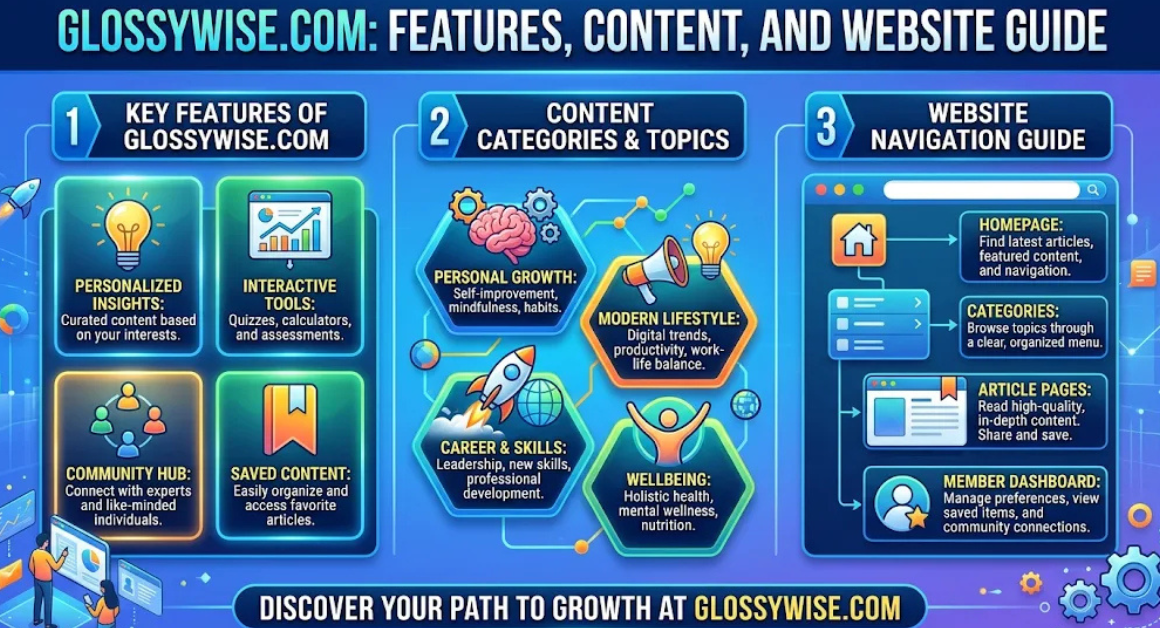


The way businesses operate has changed dramatically over the past decade. From online payments and digital banking to remote work and e-commerce, technology has transformed how companies reach customers, manage money, and generate revenue. This shift has made Coyyn.com digital business an interesting topic for people exploring modern entrepreneurship, financial technology, and the growing digital economy.
Digital business is no longer limited to large technology companies. Small businesses, independent professionals, startups, and established organizations are all using digital tools to improve efficiency and compete in an increasingly connected marketplace.
Understanding the relationship between Coyyn.com and digital business can help readers explore important developments in online commerce, digital finance, business technology, and entrepreneurship. In this guide, we’ll look at what digital business means, the technologies driving it, its advantages, potential challenges, and the opportunities available to modern entrepreneurs.
What Is Coyyn.com Digital Business?
The keyword Coyyn.com digital business brings together an online destination and a broader business concept: operating, managing, and growing commercial activities through digital technologies.
Digital business refers to the use of internet-based platforms, software, financial technology, and digital communication systems to deliver products or services and manage business operations.
Unlike traditional business models that depend heavily on physical locations and face-to-face transactions, digital businesses can operate across geographical boundaries. Customers can discover products, place orders, make payments, and receive services without visiting a physical store.
Some common examples include:
- E-commerce stores selling products online.
- Digital marketing agencies serving clients remotely.
- Subscription-based software companies.
- Online education and consulting businesses.
- Digital payment and financial technology services.
- Freelance platforms connecting professionals with customers.
For readers researching Coyyn.com, digital business provides a useful starting point for understanding how technology is changing entrepreneurship and the global marketplace.
How Digital Business Is Changing the Modern Economy
Digital transformation has influenced almost every major industry. Businesses increasingly rely on online systems to communicate with customers, process transactions, organize information, and make important decisions.
Several developments have contributed to this change.
1. Growth of E-Commerce
Online shopping has made it easier for businesses to reach customers beyond their local communities. Even a small company can establish an online storefront and sell products to customers in different cities or countries.
E-commerce platforms also provide useful features such as:
- Online product catalogs.
- Digital shopping carts.
- Secure payment processing.
- Order tracking.
- Customer reviews.
- Automated inventory management.
These tools help businesses manage sales more efficiently while providing customers with greater convenience.
2. Digital Payments and Online Banking
Financial technology, commonly known as fintech, has made financial transactions faster and more accessible.
Businesses can now accept payments through credit cards, digital wallets, bank transfers, and other electronic payment methods. Depending on the provider and location, some businesses can also accept cryptocurrency.
Digital payment systems reduce dependence on cash and make it easier to maintain transaction records.
However, businesses should choose payment providers carefully, considering transaction fees, security standards, regulatory requirements, and customer preferences.
3. Remote Work and Digital Collaboration
Remote work has changed how companies build teams and organize daily operations.
Cloud-based tools allow employees to communicate, share documents, attend meetings, and manage projects from different locations.
Popular categories of digital collaboration tools include:
- Video conferencing software.
- Project management platforms.
- Cloud storage services.
- Team messaging applications.
- Online accounting systems.
For startups and smaller companies, these technologies can reduce the need for expensive office infrastructure.
4. Artificial Intelligence and Automation
Artificial intelligence is becoming an important part of digital business operations.
Businesses use AI-powered systems to analyze information, automate repetitive tasks, improve customer support, and identify patterns in customer behavior.
For example, an online retailer might use automated recommendations to suggest products based on previous purchases. A service company might use AI-assisted chat support to answer common customer questions.
AI can improve productivity, but businesses still need human oversight to check accuracy, protect customer information, and make responsible decisions.
Key Features of a Successful Digital Business
A successful digital business needs more than a website or social media account. It requires a clear business model, reliable technology, customer trust, and an effective strategy.
Here are some important elements.
Strong Online Presence
A professional website gives customers a central place to learn about a business, explore its services, and contact its team.
An effective website should include:
- Clear information about products or services.
- Easy navigation.
- Mobile-friendly design.
- Secure browsing through HTTPS.
- Relevant contact information.
- Helpful and original content.
Search engine optimization (SEO) can also help potential customers discover the business through Google and other search engines.
Reliable Digital Infrastructure
Digital businesses depend on technology to operate smoothly. Website hosting, cloud storage, cybersecurity tools, payment systems, and business software all contribute to daily operations.
Choosing dependable technology can prevent unnecessary interruptions and improve the customer experience.
Customer-Focused Experience
Convenience plays a major role in online business success. Customers expect websites to load quickly, payment processes to work smoothly, and support teams to respond when problems arise.
Businesses that listen to customer feedback and improve their services over time are more likely to build lasting relationships.
Data Protection and Cybersecurity
Online businesses handle valuable information, including customer details, payment records, and internal business documents.
Protecting this information should be a priority. Useful security practices include:
- Using strong, unique passwords.
- Enabling multifactor authentication.
- Keeping software and operating systems updated.
- Using secure payment gateways.
- Limiting employee access to sensitive information.
- Maintaining regular data backups.
- Training employees to recognize phishing attempts.
A single security incident can damage customer confidence, so cybersecurity should be part of the business strategy from the beginning.
Benefits of Starting a Digital Business
Digital entrepreneurship attracts people because it can offer flexibility, lower operating costs, and access to wider markets.
Here are some of its major advantages.
Lower Startup Costs
Many digital businesses can begin without renting a commercial property or purchasing large amounts of inventory.
For example, a freelance graphic designer may only need a computer, internet access, suitable software, and a professional portfolio to start offering services.
Although digital businesses still involve expenses, their initial infrastructure requirements can be lower than those of many traditional businesses.
Access to Global Customers
A physical store generally serves customers within a particular geographical area. An online business can potentially reach customers worldwide.
This creates opportunities for entrepreneurs selling digital products, offering professional services, or operating international e-commerce stores.
However, international expansion also involves additional considerations, including shipping, taxes, payment availability, and local regulations.
Flexible Business Operations
Digital platforms allow entrepreneurs to manage many activities remotely.
Depending on the business model, owners can:
- Communicate with customers online.
- Monitor sales through dashboards.
- Manage employees remotely.
- Accept payments electronically.
- Automate administrative tasks.
- Analyze business performance.
This flexibility can make it easier to organize work around changing business needs.
Opportunities for Business Growth
Digital businesses can often expand without increasing physical infrastructure at the same rate.
For example, a company selling downloadable educational resources may serve additional customers without manufacturing or shipping physical products.
The ability to scale depends on the business model, available resources, customer demand, and technology.
Popular Digital Business Models to Explore
There isn’t just one way to build an online business. Different models suit different skills, budgets, and customer needs.
| Digital Business Model | How It Works | Example |
|---|---|---|
| E-commerce | Sells physical products online | Clothing store |
| SaaS | Provides software through subscriptions | Project management software |
| Affiliate marketing | Earns commissions from referrals | Product review website |
| Digital products | Sells downloadable products | E-books and templates |
| Freelancing | Provides services to clients | Graphic design |
| Online education | Sells learning resources | Online courses |
| Subscription services | Charges recurring fees | Membership platform |
Which Digital Business Model Is Best for Beginners?
The right choice depends on your experience, interests, and available investment.
For beginners with limited capital, service-based businesses and digital products can be practical starting points.
For example:
- Writers can offer content creation services.
- Designers can sell digital templates.
- Teachers can develop online courses.
- Marketing professionals can provide SEO services.
- Developers can create websites or software.
Rather than choosing a business simply because it is popular, focus on solving a problem that customers are willing to pay to address.
The Role of Cryptocurrency and Blockchain in Digital Business
Cryptocurrency and blockchain technology have introduced additional possibilities for digital commerce.
Cryptocurrencies are digital assets that use cryptographic systems, while blockchain is a type of distributed ledger technology that records transactions across a network.
Some potential business applications include:
Digital payments: Certain businesses accept cryptocurrencies as an additional payment option.
Smart contracts: Blockchain-based programs can automatically execute agreed conditions when predefined requirements are met.
Supply chain transparency: Shared digital records can help organizations track certain transactions and product movements.
Digital asset management: Blockchain networks can support the creation and transfer of various digital assets.
However, these technologies also involve risks. Cryptocurrency prices can fluctuate significantly, regulatory requirements differ between countries, and transactions may be difficult or impossible to reverse.
Businesses should carefully assess the legal, financial, and technical implications before adopting blockchain-based services.
Challenges Facing Digital Businesses
Although online entrepreneurship offers many opportunities, it also comes with challenges that business owners should understand.
1. Strong Market Competition
Starting an online business is relatively accessible, which means many industries have become highly competitive.
A new business needs a clear value proposition, quality products, effective marketing, and a reason for customers to choose it over competitors.
2. Cybersecurity Threats
Phishing, identity theft, ransomware, and payment fraud can affect businesses of all sizes.
Investing in security measures and educating employees can reduce these risks.
3. Building Customer Trust
Customers cannot always inspect products or meet service providers before making an online purchase.
Businesses can improve trust by providing transparent pricing, clear policies, authentic reviews, reliable customer support, and secure payment options.
4. Keeping Up With Technology
Digital platforms and customer expectations change quickly.
Business owners need to review their technology regularly, update outdated systems, and understand emerging trends without investing in every new tool.
5. Legal and Regulatory Requirements
Online businesses may need to comply with data protection rules, consumer protection laws, tax regulations, advertising standards, and payment industry requirements.
Companies serving international customers should understand the regulations that apply in each relevant market.
How to Start a Digital Business: A Step-by-Step Guide
Starting an online business becomes easier when you break the process into manageable steps.
Step 1: Identify a Profitable Business Idea
Begin by identifying a problem that customers need help solving.
Consider your professional experience, personal interests, market demand, and available resources.
A good business idea should offer something valuable rather than simply copying an existing competitor.
Step 2: Research Your Target Audience
Understand the people you want to serve.
Research questions such as:
- What problems do potential customers experience?
- What products or services are they already purchasing?
- How much are they willing to spend?
- Where do they search for solutions?
- What complaints do they have about existing options?
Customer research helps you develop an offer that addresses real needs.
Step 3: Choose a Business Model
Decide how the business will generate revenue.
You might charge customers for individual products, recurring subscriptions, professional services, or referrals.
Your revenue model should be understandable, sustainable, and suitable for your target audience.
Step 4: Build Your Online Presence
Create a website that explains your business and makes it easy for visitors to take action.
Depending on your needs, you may also establish profiles on relevant social media platforms and business directories.
Focus on useful information, clear branding, mobile usability, and a straightforward customer journey.
Step 5: Set Up Payments and Business Operations
Choose appropriate payment providers, accounting software, communication tools, and customer management systems.
Make sure you understand the fees and security requirements associated with each service.
You should also establish clear procedures for handling orders, refunds, customer complaints, and financial records.
Step 6: Develop a Marketing Strategy
A digital business needs a consistent way to attract potential customers.
Useful marketing channels include:
- Search engine optimization.
- Content marketing.
- Social media marketing.
- Email marketing.
- Paid online advertising.
- Partnerships and referral programs.
You don’t need to use every channel immediately. Start with the platforms where your target audience is most active.
Step 7: Measure Results and Improve
Track important performance indicators, including:
- Website traffic.
- Conversion rates.
- Customer acquisition costs.
- Average order value.
- Customer retention.
- Monthly revenue.
- Customer satisfaction.
Reviewing these figures helps you understand what’s working and where improvements are needed.
Future Trends in Digital Business
The digital economy continues to evolve, and several developments are likely to influence how companies operate in the coming years.
Artificial Intelligence Integration
AI-powered tools are becoming more accessible to small businesses. Their applications include customer support, content assistance, data analysis, forecasting, and workflow automation.
Growth of Digital Financial Services
Mobile banking, electronic payments, and embedded financial services are changing how consumers and companies manage money.
Businesses will increasingly look for convenient and secure ways to accept payments and manage transactions.
Personalized Customer Experiences
Companies are using customer data and analytics to create more relevant shopping experiences, recommendations, and marketing campaigns.
However, personalization must be balanced with transparency and responsible data handling.
Cloud-Based Business Operations
Cloud computing allows businesses to access software, store information, and collaborate without maintaining all their own physical infrastructure.
This can support flexible operations and make certain business tools more accessible to smaller organizations.
Increasing Importance of Cybersecurity
As businesses become more dependent on online systems, protecting digital assets and customer information will remain essential.
Companies that treat security as a core business requirement rather than an afterthought will be better positioned to manage digital risks.
Frequently Asked Questions About Coyyn.com Digital Business
1. What is Coyyn.com digital business?
Coyyn.com digital business is a search topic associated with understanding online business, digital entrepreneurship, financial technology, and modern commercial operations. Readers researching the term may be interested in how digital platforms and technology support business growth.
2. Why is digital business important?
Digital business helps organizations reach customers online, streamline operations, process electronic payments, and compete in wider markets. It also creates opportunities for entrepreneurs who want to establish businesses without relying entirely on physical locations.
3. Can beginners start a digital business?
Yes. Beginners can start with relatively accessible business models such as freelancing, affiliate marketing, digital products, and online consulting. Success generally requires market research, useful skills, consistent marketing, and a clear understanding of customer needs.
4. What are the main examples of digital business?
Common examples include e-commerce stores, software subscription services, online education platforms, digital marketing agencies, freelance businesses, and electronic payment services.
5. How does technology help digital businesses grow?
Technology helps companies automate repetitive work, manage customer relationships, analyze performance, process transactions, and communicate with customers. These capabilities can improve efficiency and support business expansion.
6. Is digital business the same as e-commerce?
No. E-commerce mainly refers to buying and selling products or services online. Digital business is broader because it also includes digital operations, customer management, online services, data systems, and technology-driven business models.
7. Is digital business safe?
Digital business can be operated securely when appropriate precautions are taken. Companies should use secure payment providers, strong authentication, updated software, data backups, and suitable cybersecurity policies.
8. What skills are needed to run a digital business?
Useful skills include digital marketing, communication, financial management, customer service, problem-solving, basic technology knowledge, and data analysis. The exact requirements depend on the business model.
9. How can a digital business make money?
Digital businesses generate revenue through product sales, service fees, subscriptions, advertising, affiliate commissions, licensing, and other commercial arrangements. The best approach depends on the audience and value offered.
10. What is the future of digital business?
The future of digital business will likely involve greater use of artificial intelligence, automation, cloud computing, digital payments, and data-driven decision-making. Businesses that adapt responsibly to these developments may gain a competitive advantage.
Conclusion
The growth of the digital economy has created new opportunities for entrepreneurs, startups, and established organizations. From e-commerce and digital payments to artificial intelligence and cloud computing, technology is changing how businesses operate and connect with customers.
Exploring Coyyn.com digital business provides an opportunity to understand these developments and the broader shift toward technology-driven entrepreneurship. However, building a successful digital business requires more than adopting modern tools. It also demands customer research, a sustainable business model, reliable infrastructure, effective marketing, and strong cybersecurity.
Whether you’re considering launching your first online venture or improving an existing company, start by identifying a genuine customer need and choosing the right digital tools to address it. Continue exploring digital business, fintech, and entrepreneurship topics to stay informed and make smarter decisions in the evolving online marketplace.